
The Doctor's Lounge logo

    Private routine vaccinations

    Private routine vaccinations

    Medical vaccinations with personalised scheduling across Buckinghamshire, Hertfordshire and Middlesex

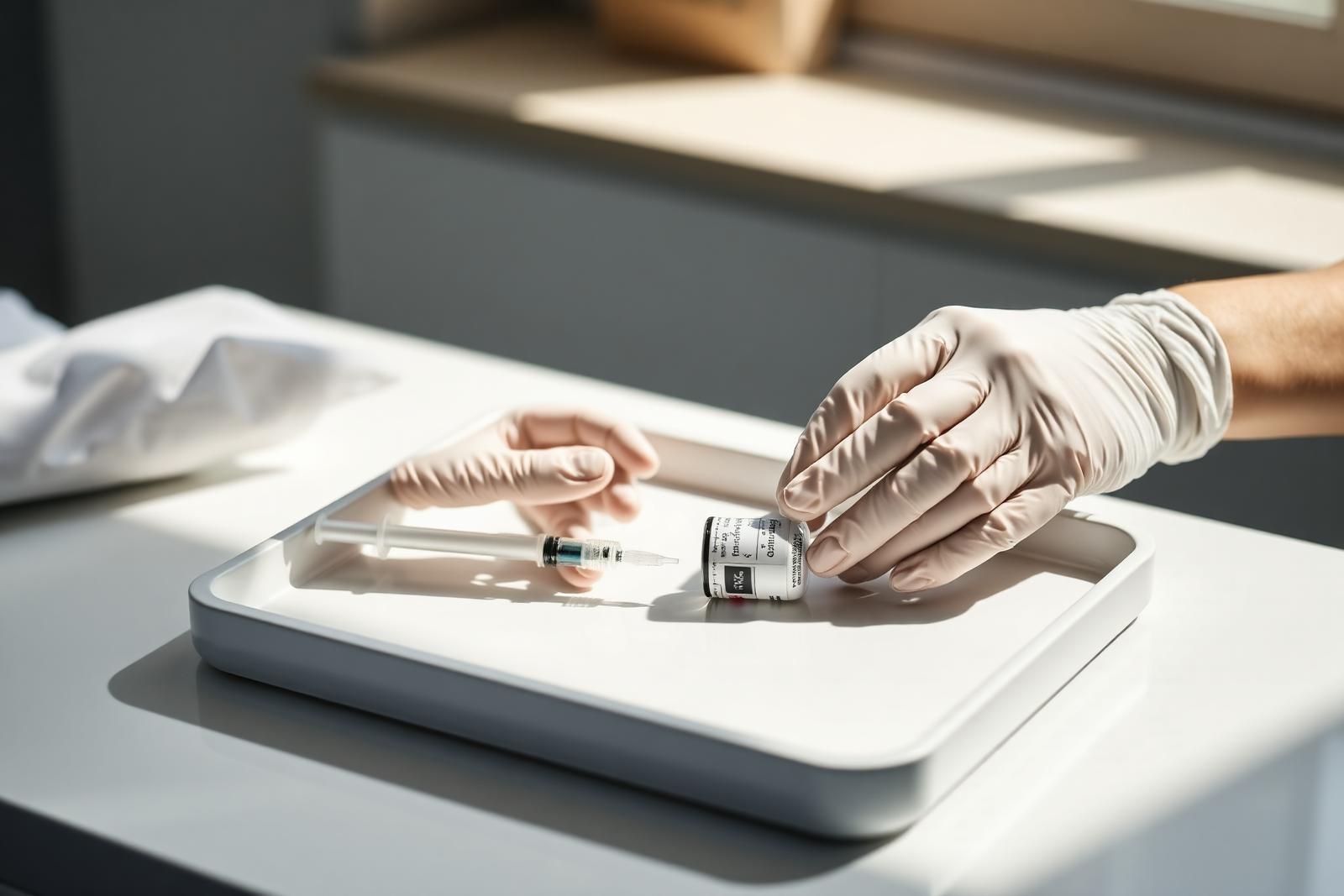
    A clean clinical tray with a vaccination syringe and vial

    Overview

    Bespoke vaccination schedules, designed by your GP

    At The Doctor's Lounge we provide a comprehensive range of private vaccinations for children and adults. Every patient is individually assessed by one of our GPs to create the right bespoke vaccination schedule — no two immunisation plans should be identical.

    Age, medical history, current medications, previous vaccinations, pregnancy, and other clinical factors all shape which vaccines are recommended, how they are delivered, and when. For that reason we ask patients not to self-prescribe a schedule. Share your circumstances with us and our doctors will guide you through the safest, most effective programme for you or your family — carefully, and without any rush.

    Section 1

    Medical vaccinations

    Chickenpox (Varivax)

    £90 per dose

    Read more

    Live attenuated vaccine offering long-term protection against varicella (chickenpox).

    Varivax is a live attenuated vaccine used worldwide to prevent chickenpox (varicella zoster virus). Chickenpox is usually mild in healthy children but can be significantly more serious in adults, pregnant women, newborns, and people whose immune systems are weakened. Vaccination provides very effective protection against severe disease and reduces the risk of household transmission.

    In the UK the chickenpox vaccine is not currently part of the routine NHS childhood schedule, but it is a routine childhood vaccine in many other countries and is widely offered privately.

    Protects against: Chickenpox (varicella). Two doses are approximately 98% effective at preventing any chickenpox and close to 100% effective at preventing severe disease. It is particularly recommended for non-immune adults, non-immune household contacts of vulnerable people, and healthcare workers.

    Doses: Two doses in the vast majority of cases. In children aged 12 months to 12 years the doses are usually given 4–8 weeks apart; in adolescents and adults from 13 years the interval is 4–8 weeks (a minimum of 4 weeks).

    Who it's for: Children from 12 months of age, adolescents, and adults who have not previously had chickenpox or been vaccinated. Particularly recommended for non-immune adults (higher risk of severe illness), close contacts of immunocompromised individuals, and healthcare and childcare workers.

    Contraindications: Pregnancy (pregnancy should also be avoided for one month after vaccination), severe immunosuppression, active untreated tuberculosis, and known severe allergy (anaphylaxis) to a previous dose or to any vaccine component including neomycin or gelatin. Care is needed with recent immunoglobulin or blood product use.

    Full details

    Meningitis B (Bexsero)

    £140 per dose

    Read more

    Protects against Meningococcal group B disease — a leading cause of bacterial meningitis and septicaemia in the UK.

    Bexsero is the multicomponent meningococcal group B (4CMenB) vaccine and is by far the most widely used vaccine for MenB in the UK. Meningococcal group B disease is uncommon but can develop very rapidly and be devastating, with the highest incidence in infants and a smaller secondary peak in teenagers and young adults.

    MenB is included on the routine NHS infant schedule at 8 weeks, 16 weeks and 1 year. Privately, we offer Bexsero for older children, teenagers and at-risk adults who missed the routine schedule.

    Protects against: Invasive Meningococcal group B disease — meningitis and septicaemia.

    Doses: Schedule depends on age at first dose. Infants under 6 months: three doses (two primary plus a booster after the first birthday). Children 6–23 months: two doses with a booster. Children from 2 years, adolescents and adults: two doses at least 4 weeks apart, with no routine booster currently recommended.

    Who it's for: Infants and children not already vaccinated on the NHS schedule, adolescents and young adults (particularly students starting university), and at-risk adults such as those without a functioning spleen, with complement disorders, or with certain other immune conditions.

    Contraindications: Confirmed anaphylactic reaction to a previous dose or to any component of the vaccine. Postpone if febrile with a significant acute illness.

    Full details

    Meningitis C and Hib (Menitorix)

    £90

    Read more

    Combined Hib/MenC booster vaccine protecting against Haemophilus influenzae type b and Meningococcal group C disease.

    Menitorix is a combined Hib/MenC conjugate vaccine. Hib was once the commonest cause of bacterial meningitis in children under 5 in the UK and can also cause epiglottitis, pneumonia and septicaemia. MenC infection can cause meningitis and septicaemia and is now rare in the UK thanks to widespread vaccination.

    In the UK the Hib/MenC booster has historically been given at around 1 year of age. It is used privately for catch-up in children who have missed doses.

    Protects against: Invasive Hib disease (meningitis, epiglottitis, pneumonia and septicaemia) and Meningococcal group C meningitis and septicaemia.

    Doses: A single dose is normally sufficient as a booster in children from 12 months onwards, provided the primary Hib schedule was completed in infancy.

    Who it's for: Children requiring catch-up Hib/MenC vaccination, and some at-risk adults following clinical assessment.

    Contraindications: Confirmed anaphylactic reaction to a previous dose or to any component of the vaccine.

    Full details

    Shingles (Shingrix)

    £250 per dose

    Read more

    Highly effective non-live recombinant vaccine for the prevention of shingles and post-herpetic neuralgia.

    Shingrix is a non-live recombinant subunit vaccine and is now the preferred shingles vaccine in the UK. Shingles is caused by reactivation of the varicella zoster virus that causes chickenpox and becomes more common — and more severe — with increasing age or immunosuppression.

    Because Shingrix is non-live it can be used in immunocompromised adults who cannot receive the older live Zostavax vaccine.

    Protects against: Shingles (herpes zoster) and its most feared complication, post-herpetic neuralgia. Clinical trials have shown efficacy in excess of 90% against shingles in adults 50 and over, with sustained protection over many years.

    Doses: Two doses given 2–6 months apart. In immunocompromised adults the interval can be shortened to 1–2 months if needed.

    Who it's for: Adults from 50 years of age, and immunocompromised adults from 18 years — including those on chemotherapy, biologics, high-dose steroids, or following stem cell or organ transplant.

    Contraindications: Confirmed anaphylactic reaction to a previous dose or to any component of the vaccine. Postpone during acute febrile illness.

    Full details

    RSV (Abrysvo / Arexvy)

    POA

    Read more

    Vaccine protecting against Respiratory Syncytial Virus — particularly important for older adults and in pregnancy to protect newborns.

    RSV is a common respiratory virus that can cause serious lower respiratory tract infection in infants and in older adults. Two vaccines are now used in the UK: Abrysvo (Pfizer), licensed for use in pregnancy (to protect the baby via placental antibodies) and in older adults, and Arexvy (GSK), licensed for older adults.

    The NHS offers RSV vaccination to eligible pregnant women (from 28 weeks) and to older adults in specific age bands. Privately we can vaccinate those outside those bands or who prefer to be seen at their own convenience.

    Protects against: RSV lower respiratory tract infection, hospitalisation from RSV, and — when given in pregnancy — severe RSV disease in the newborn during the first months of life.

    Doses: A single dose. Ongoing booster policy is under review.

    Who it's for: Adults 60 and over (or 75 and over per current NHS eligibility, but licensed from 60), and pregnant women from 28 weeks of pregnancy to protect their newborn.

    Contraindications: Confirmed anaphylactic reaction to a previous dose or to any component of the vaccine.

    Full details

    HPV (Gardasil 9)

    £200 per dose

    Read more

    Nine-valent HPV vaccine protecting against the HPV types responsible for the majority of cervical, anal, oropharyngeal and other cancers, plus genital warts.

    Gardasil 9 protects against nine strains of human papillomavirus: seven high-risk oncogenic types (16, 18, 31, 33, 45, 52, 58) responsible for the majority of HPV-related cancers, plus types 6 and 11 which cause the majority of genital warts.

    In the UK, HPV vaccination is offered routinely to boys and girls aged 12–13 on the NHS. Catch-up vaccination is available privately, and Gardasil 9 is licensed up to age 45.

    Protects against: Cervical, vulvar, vaginal, anal and oropharyngeal cancers linked to HPV, high-grade precancerous cervical lesions (CIN2+), and genital warts. Vaccination is most effective when given before exposure to HPV, but still offers benefit after the onset of sexual activity.

    Doses: Two doses (0 and 6–12 months) for those starting the course between 9 and 14 years. Three doses (0, 2 and 6 months) for those starting from 15 years and older, and for immunocompromised patients.

    Who it's for: Girls and boys, men and women up to age 45. Particularly encouraged for anyone who missed the school programme.

    Contraindications: Confirmed anaphylactic reaction to a previous dose or to any component of the vaccine. Not recommended during pregnancy — postpone until after delivery.

    Full details

    Influenza (flu)

    £35

    Read more

    Annual seasonal flu vaccine for adults and children.

    Seasonal influenza can cause significant illness even in otherwise healthy adults and is particularly dangerous in the very young, the elderly, pregnant women, and people with chronic medical conditions. The vaccine is updated every year to match the strains most likely to circulate.

    For most adults an inactivated intramuscular vaccine is used; a live attenuated nasal spray (Fluenz) is available for eligible children aged 2–17. For adults 65 and over an adjuvanted or high-dose vaccine is preferred to boost immune response.

    Protects against: Seasonal influenza A and B strains included in that year's formulation.

    Doses: A single dose each autumn. Children aged 6 months to 8 years being vaccinated for the first time may need two doses at least 4 weeks apart.

    Who it's for: Everyone from 6 months of age can benefit. Particularly important for adults over 65, pregnant women (at any stage of pregnancy), people with chronic heart, lung, kidney, liver or neurological disease, diabetes, immunosuppression, and household contacts of vulnerable people.

    Contraindications: Confirmed anaphylactic reaction to a previous dose or to any component of the vaccine. Egg allergy: most patients with egg allergy can safely receive an ovalbumin-low vaccine — please discuss with your GP. The live nasal spray is not suitable for immunocompromised patients or during pregnancy.

    Full details

    MMR

    £90 per dose

    Read more

    Combined live vaccine protecting against measles, mumps and rubella.

    MMR is a live attenuated combined vaccine that has been a cornerstone of childhood immunisation for decades. Measles is highly infectious and can cause pneumonia, encephalitis and long-term neurological complications; mumps can cause meningitis, deafness and orchitis; rubella infection in early pregnancy can cause severe congenital defects.

    In the UK MMR is given routinely at 1 year and 3 years 4 months. Two documented doses are required for reliable long-term protection, and catch-up vaccination is available privately at any age.

    Protects against: Measles, mumps and rubella.

    Doses: Two doses at least 4 weeks apart. Two documented doses provide approximately 99% protection against measles.

    Who it's for: Children from 12 months, and adults or adolescents who are not fully vaccinated. Particularly important for those planning to travel, healthcare workers, students, and women planning a pregnancy (given at least one month before conception).

    Contraindications: Pregnancy (avoid pregnancy for one month after vaccination), severe immunosuppression, and confirmed anaphylaxis to a previous dose or to any vaccine component (including neomycin or gelatin). Recent immunoglobulin or blood products may reduce response — timing should be discussed with your GP.

    Full details

    Pneumococcal (Pneumovax 23 & Prevenar 13)

    From £90

    Read more

    Vaccines protecting against pneumococcal infection — pneumonia, meningitis and septicaemia.

    Two pneumococcal vaccines are commonly used in adults: Prevenar 13 (a 13-valent conjugate vaccine, PCV13) and Pneumovax 23 (a 23-valent polysaccharide vaccine, PPV23). They cover different but overlapping sets of pneumococcal serotypes and are often used together in higher-risk adults.

    In the UK the routine infant schedule uses a conjugate pneumococcal vaccine. Older adults are offered Pneumovax 23 on the NHS from age 65. Additional pneumococcal cover with PCV13 is used privately in at-risk groups.

    Protects against: Invasive pneumococcal disease including pneumococcal pneumonia, bacterial meningitis and septicaemia.

    Doses: Usually a single dose of Pneumovax 23. Where both are indicated, Prevenar 13 is given first, followed by Pneumovax 23 at least 8 weeks later.

    Who it's for: Adults 65 and over, and at-risk adults and children of any age — including those with chronic lung, heart, kidney or liver disease, diabetes, cochlear implants, sickle cell disease, absent or non-functioning spleen, or immunosuppression.

    Contraindications: Confirmed anaphylactic reaction to a previous dose or to any component of the vaccine.

    Full details

    Rotavirus (Rotarix)

    £75

    Read more

    Oral live attenuated vaccine protecting infants against rotavirus gastroenteritis.

    Rotavirus is a leading cause of severe gastroenteritis in young children worldwide and can cause dehydration serious enough to need hospital admission. Rotarix, a live oral vaccine, has substantially reduced admissions since it was added to the UK infant schedule.

    The vaccine has a strict age window: the first dose must be given from 6 weeks and before 15 weeks of age, and the course must be completed by 24 weeks. Please book early.

    Protects against: Rotavirus gastroenteritis and dehydrating diarrhoea in infants.

    Doses: Two doses at least 4 weeks apart, completed by 24 weeks of age.

    Who it's for: Infants from 6 weeks of age. Not licensed for infants who are outside the age window.

    Contraindications: History of intussusception or an uncorrected congenital malformation of the gastrointestinal tract, severe combined immunodeficiency (SCID), and confirmed anaphylaxis to a previous dose or component. Postpone in infants with acute severe diarrhoea or vomiting.

    Full details

    6-in-1 (Diphtheria, Tetanus, Pertussis, Hib, Polio, Hepatitis B)

    £90

    Read more

    Combined childhood vaccine — the cornerstone of infant immunisation in the UK.

    The 6-in-1 vaccine (currently Infanrix hexa in the UK) protects against six serious infections in a single injection: diphtheria, tetanus, pertussis (whooping cough), Haemophilus influenzae type b, polio, and hepatitis B.

    On the NHS it is given at 8, 12 and 16 weeks of age. We use it privately for infants and children requiring the primary course or catch-up doses, and for older children and adults we use age-appropriate combinations (for example Repevax or Revaxis) — your GP will advise.

    Protects against: Diphtheria, tetanus, pertussis (whooping cough), Hib disease, polio, and hepatitis B.

    Doses: Three primary doses one month apart in infancy, with pre-school and adolescent boosters using age-appropriate combined vaccines.

    Who it's for: Infants and children on the primary schedule, and older children, adolescents and adults requiring catch-up vaccination (with an appropriate combined product).

    Contraindications: Confirmed anaphylactic reaction to a previous dose or to any component of the vaccine. Postpone during moderate or severe acute illness.

    Full details

    Tetanus (typically Revaxis)

    £60

    Read more

    Booster vaccination for tetanus, usually given as a combined tetanus/diphtheria/polio product.

    In UK practice a stand-alone tetanus vaccine is rarely used; adults are given Revaxis, a combined low-dose diphtheria, tetanus and inactivated polio booster. Revaxis is used for routine 10-year boosters, for catch-up, and after tetanus-prone wounds.

    Following a contaminated wound, tetanus immunoglobulin may also be indicated in addition to the vaccine — your GP will assess the wound and your vaccination history.

    Protects against: Tetanus, and (as Revaxis) also boosts protection against diphtheria and polio.

    Doses: A single booster dose in adults who have completed a primary course. Adults with an incomplete or uncertain vaccination history may need up to three doses.

    Who it's for: Adults requiring a routine 10-year booster, catch-up vaccination, travel to countries with poor tetanus control, or following a tetanus-prone injury.

    Contraindications: Confirmed anaphylactic reaction to a previous dose or to any component of the vaccine.

    Full details

    View our full fees

    Vaccination enquiry

    Enquire about a vaccination

    Vaccines of interest (select any that apply)

    Meningitis B

    Meningitis B waiting list

    Meningitis B vaccinations are sometimes subject to limited supply. Join our waiting list and we'll be in touch within one working day — often the same day.

    Please indicate the number of people in your household who require the vaccination so we can prioritise availability fairly.

    Waiting list

    Join the Meningitis B list

    We'll be in touch within one working day — often the same day.

    Planning to travel?

    View our travel vaccination service for destination-specific advice and personalised travel health plans.

    Travel Vaccinations

    Available at our clinics in Beaconsfield, Northwood, Chalfont and Berkhamsted.